



2026/11/18 Microsoft Cloud Solutions 22 visit(s) 3 min to read
Ctelecoms
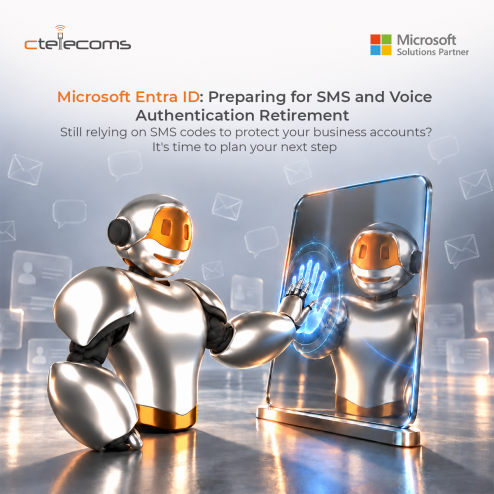
Microsoft is making important changes to authentication in Microsoft Entra ID. Organizations that rely on SMS messages or voice calls for multi-factor authentication (MFA) should begin preparing now to avoid potential sign-in disruptions in 2027.
Microsoft is retiring its own SMS and voice authentication delivery services, while allowing organizations to continue using these methods through supported third-party telephony providers.
The changes are part of Microsoft's move toward stronger, phishing-resistant authentication methods, with Passkeys becoming the default sign-in experience.
On September 1, 2026, Microsoft began automatically enabling Passkeys for users covered by the change who were already enabled for SMS or voice authentication. These users are prompted to register a Passkey when they sign in and complete MFA.
This does not mean SMS and voice authentication have already been discontinued. Instead, Microsoft has started the transition toward more secure authentication methods before its planned retirement dates.
Microsoft has announced the following timeline for retiring its own telephony delivery services:
No. The retirement applies to Microsoft's native SMS and voice delivery services, not to the authentication methods themselves.
Organizations that still need SMS or voice authentication can continue using these methods through supported third-party telephony providers. Starting October 30, 2026, eligible organizations can select a supported provider through Microsoft Security Store.
This distinction is important: organizations using Microsoft's native delivery service will need to plan an alternative, but those with supported third-party telephony arrangements can continue using SMS or voice authentication.
SMS codes and voice calls can be vulnerable to attacks such as SIM swapping, phishing, and interception. Passkeys use cryptographic credentials instead of traditional shared secrets, helping protect users against phishing attacks.
Microsoft Entra ID supports several authentication options, including:
Choosing the right method depends on your organization's security requirements, devices, user needs, and existing identity policies.
Organizations should take the following steps to prepare for the transition.
Review your Microsoft Entra ID authentication methods and identify users who are still enabled for SMS or voice authentication. Determine whether these methods are their only available MFA options.
Enable the appropriate Passkey authentication methods and develop a rollout plan. Consider device compatibility, user registration, internal communications, and help-desk support.
Pay particular attention to privileged accounts, external users, and internal guest users. Their applicable retirement dates differ, so make sure each group is included in your migration plan.
Some organizations may have regulatory or operational reasons to continue using SMS or voice authentication. They can evaluate supported third-party telephony providers through Microsoft Security Store.
However, Microsoft recommends Passkeys as the preferred option wherever possible.
Inform employees about the upcoming changes and provide clear instructions for registering their new authentication methods. Early communication can reduce confusion and help prevent unnecessary support requests.
As a Microsoft Gold Partner in Saudi Arabia, Ctelecoms can help your organization prepare for Microsoft Entra ID authentication changes.
Our team can help you review your current MFA configuration, identify users affected by the transition, plan a Passkey rollout, and strengthen your identity security practices.
Don't wait until authentication changes affect your users.
Contact Ctelecoms to assess your Microsoft Entra ID environment and prepare a practical migration plan.

Upgrade your IT to be as agile and efficient ...